
Natural heritage and endangered species programs offer Canadian farmers and breeders a structured pathway to conserve rare livestock breeds while building economically viable operations. These government and non-profit conservation frameworks provide recognition, technical support, and often financial incentives to producers who maintain breeding populations of heritage animals at risk of extinction. By participating, you’re not just preserving genetic diversity and agricultural history, you’re joining a community dedicated to ensuring that future generations can access the resilience, flavor, and cultural significance these animals represent.
The connection between formal conservation programs and heritage breed survival runs deeper than paperwork and protocols. When a breed dwindles to critical population levels, coordinated intervention becomes essential. Provincial natural heritage programs, national species-at-risk designations, and breed-specific conservation initiatives all serve to document populations, prevent genetic bottlenecks, and mobilize support before extinction becomes inevitable. For the farmer, this means access to expertise in bloodline management, assistance navigating niche markets, and validation that your work matters in a landscape dominated by industrial genetics.
Understanding how conservation matters in practical terms transforms these programs from bureaucratic obligations into strategic advantages. Heritage breed producers face unique challenges: small breeding pools, limited market awareness, higher production costs per animal. Conservation programs address these barriers by connecting breeders across regions for genetic exchange, promoting heritage products to conscious consumers, and sometimes offering cost-share arrangements for infrastructure or veterinary services. The Canadian context adds another layer: our agricultural heritage includes breeds developed for harsh climates and extensive grazing, genetic adaptations that climate change and food security concerns make increasingly relevant.
What Natural Heritage and Endangered Species Programs Are
Why Heritage Breeds Matter for Natural Heritage
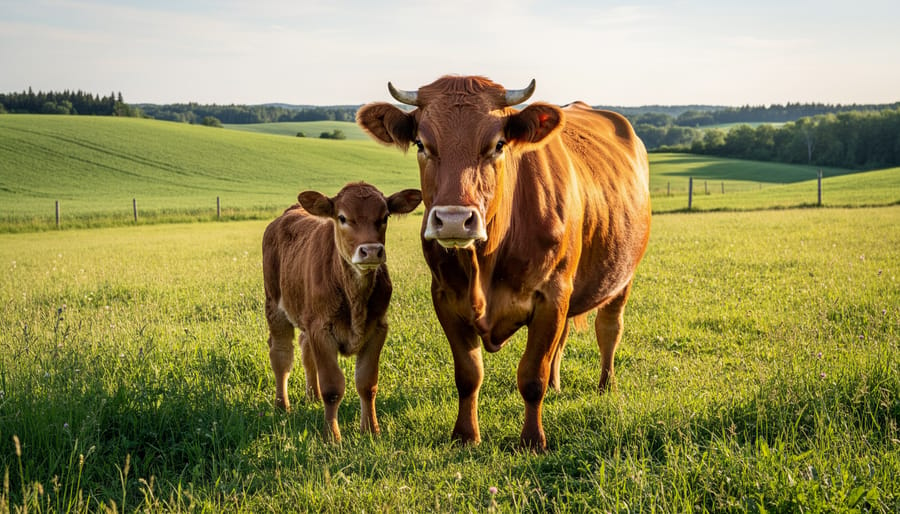
Heritage livestock breeds represent living archives of agricultural adaptation, shaped over centuries by Canadian climates, regional ecosystems, and farming challenges unique to this country. When a rare breed disappears, we lose far more than a type of animal, we lose genetic traits that allowed livestock to thrive in harsh winters, forage on marginal land, resist disease without intensive medical intervention, and produce meat, milk, or fibre under conditions where modern commercial breeds struggle. These genetic reservoirs cannot be recreated once lost, making heritage breeds irreplaceable components of Canada’s natural heritage.
From a cultural perspective, heritage livestock connect us to the agricultural traditions of settlers, Indigenous peoples, and immigrant communities who built Canada’s farming regions. Breeds like the Canadian Horse or Chantecler chicken emerged from specific Canadian farming contexts, embodying both regional identity and practical problem-solving. Their survival tells the story of resilience, adaptation, and the deep knowledge farmers developed working with animals suited to their environment.
The environmental case for heritage breed conservation is equally compelling. These animals typically require less grain, fewer antibiotics, and less infrastructure than their industrial counterparts, aligning perfectly with regenerative agriculture principles. Their ability to convert pasture into protein, maintain health outdoors year-round, and reproduce naturally makes them ideal for farmers seeking sustainable, lower-input systems. Understanding why it matters starts with recognizing that preserving heritage breeds maintains genetic diversity essential for adapting agriculture to climate change and evolving market demands.
Conservation Status Categories Explained
Conservation status categories provide a transparent framework for understanding how urgently a breed needs conservation support. Rare Breeds Canada and similar organizations use population counts as the primary metric: critical status typically applies when global breeding populations fall below 500 animals, threatened when numbers range from 500 to 1,000, and vulnerable when populations sit between 1,000 and 5,000. These thresholds matter because small populations face compounding genetic risks, every generation loses diversity through random drift, and a single disease outbreak or environmental disaster can push a breed toward extinction.
Geographic concentration adds another layer of risk. A breed with 800 animals might seem threatened by numbers alone, but if 600 live on a handful of farms in one province, it faces greater vulnerability than a breed with the same population spread across multiple regions. Dispersed populations buffer against localized catastrophes and increase the likelihood that genetic lines survive.
Genetic diversity assessment looks beyond headcounts to examine bloodline variety within the population. A breed with 2,000 animals descended from just ten founding bloodlines carries less adaptive potential than one with 1,000 animals representing fifty distinct lineages. Conservation geneticists track effective population size, the number of breeding animals contributing genes to the next generation, rather than total population alone.
Breeds can shift between categories as conservation work succeeds or fails. Priority categories like recovering recognize breeds climbing back from critical status, though they still require vigilant stewardship to prevent backsliding.
Eligibility Requirements for Participation
Breed Registration and Documentation
Accurate breeding records form the backbone of any credible heritage breed conservation effort. Without documented pedigrees, it becomes impossible to track genetic lines, assess population diversity, or verify that animals genuinely represent the breed standard you’re working to preserve.
Most natural heritage and endangered species programs require animals to be registered with a recognized breed association, organizations like the Canadian Livestock Records Corporation or breed-specific registries that maintain official herd books. Registration proves your animals’ lineage and connects them to the broader conservation population. If your breed lacks a formal registry, programs may accept alternative documentation such as historical records, DNA verification, or letters from established breeders confirming bloodlines.
Keep detailed records of births, breeding dates, parentage, and any animals sold or moved. Include physical descriptions, health history, and unique identifiers like ear tags or microchip numbers. This documentation doesn’t just satisfy program requirements; it protects your investment, helps you make informed breeding decisions that avoid inbreeding, and adds value when marketing animals to buyers who understand heritage genetics.
Well-maintained records also contribute to national census data, giving conservationists a clear picture of breed population trends and genetic bottlenecks that need attention.
Economic Considerations for Eligible Participants
Heritage breed conservation offers genuine economic advantages alongside its cultural mission. Producers can access premium pricing through niche markets that value rare genetics, traditional flavours, and conservation stories. Chefs specializing in local, heritage cuisine actively seek these breeds, often paying 20-40% above commodity prices for quality meat, wool, or eggs with documented provenance.
Conservation status opens doors to targeted funding streams. Provincial agricultural programs, heritage conservation grants, and sustainable farming initiatives frequently prioritize endangered breed projects. Some programs offer cost-sharing for breeding infrastructure, genetic testing, or marketing development specifically tied to rare breed stewardship.
The investment required is real but manageable. Heritage breeds typically demand lower input costs due to their hardiness and foraging ability, offsetting smaller production scales. Registration fees with breed associations and census reporting create modest annual costs, usually under $200 per farm.
Smart participants treat conservation as a business differentiator. The endangered status itself becomes a marketing asset, connecting products to Canada’s agricultural heritage while building customer loyalty among environmentally conscious consumers willing to support preservation through their purchasing choices.
How to Participate in Heritage Breed Conservation Programs
Submitting Census and Population Data
Accurate population data forms the backbone of conservation decisions for heritage breeds. When you report your herd or flock numbers to Rare Breeds Canada, you’re contributing to a national snapshot that determines a breed’s conservation status and informs recovery strategies.
Most breeders submit census data annually through a simple online form or paper survey. You’ll provide the total number of breeding males and females you own, along with any offspring born that year. Include registration numbers if your animals are registered with a breed association. Geographic location matters too, knowing where breeding populations exist across Canada helps identify regional genetic clusters and potential breeding partnerships.
Lineage information strengthens the dataset. If you can trace your animals’ parentage, note their sire and dam. This genealogical detail helps conservation coordinators track genetic diversity and identify lines at risk of disappearing. Even partial pedigree information adds value.
Don’t worry about perfect records if you’re just starting. Report what you know honestly. A rough count is better than no data, and most provincial breed associations offer guidance on record-keeping systems. Your numbers directly influence whether a breed moves from critical to threatened status, making your participation essential to recovery goals.
Creating a Conservation Breeding Plan
A conservation breeding plan balances preserving genetic health with running a viable farm operation. Start by inventorying your current animals: record parentage, identify bloodlines, and note any common ancestors appearing repeatedly in pedigrees. This baseline reveals where your herd or flock stands genetically and helps you avoid doubling up on the same lines.
Prioritize breeding pairs that minimize relatedness. Aim to mate animals from different family groups rather than pairing siblings or closely related cousins. If you’re working with a critically endangered breed where some inbreeding is inevitable, choose the least-related pairings available and track each generation carefully. Maintaining genetic diversity directly strengthens disease resistance and adaptability, traits that lower veterinary costs and improve productivity.
Set clear breeding goals that serve both conservation and your business. Decide how many breeding females you can support economically, then target producing enough offspring each year to replace your own stock and contribute young animals to other breeders. Selling breeding stock to expand the breed’s geographic distribution accelerates recovery while generating farm income.
Connect with other breeders of your breed to coordinate matings. Exchanging breeding males or using outside bloodlines prevents your farm from becoming an isolated genetic island. Many breed associations maintain stud registries or facilitate pairings between members. Document every mating, birth, and lineage detail, accurate records make your conservation contribution measurable and help future breeders avoid repeating pairings that didn’t work.
Rights, Obligations, and Best Practices for Heritage Breed Stewards
Maintaining Genetic Diversity While Building a Business
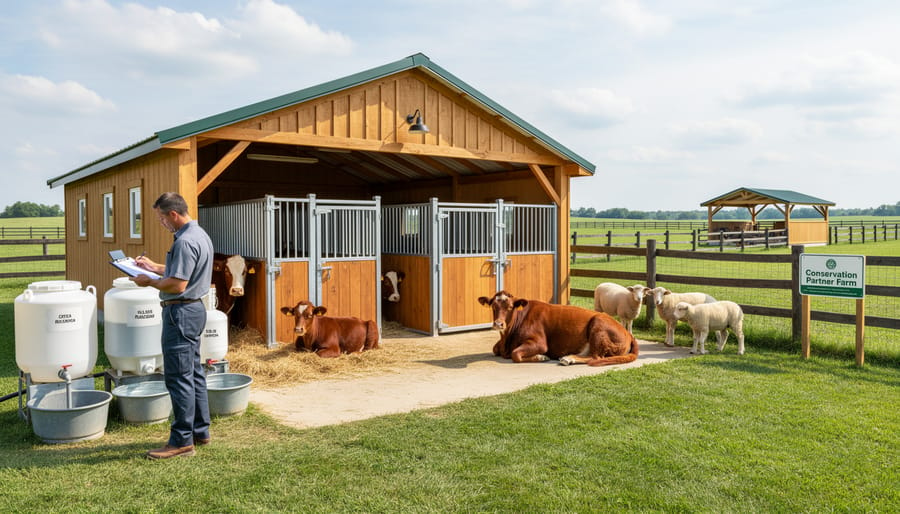
Maintaining genetic diversity doesn’t mean sacrificing profit, it means working smarter with animals bred for resilience. Start by selecting breeding stock from multiple unrelated lines rather than concentrating on a single “star” animal. This spreads genetic risk and strengthens your herd’s adaptability while giving you more animals to market.
Keep detailed records of lineage and rotate breeding pairs to avoid inbreeding, which weakens disease resistance and productivity. Many heritage breed registries offer pedigree analysis tools that identify which pairings maximize diversity.
The economic advantage? Heritage breeds’ natural hardiness reduces veterinary bills, feed costs, and infrastructure investment. Animals like heritage goats thrive on pasture without grain supplementation, making lower-input farming both sustainable and profitable.
Focus on selling breeding stock to other conservationists and meat or fibre to premium markets, chefs and artisan producers pay more for heritage genetics’ superior flavour and quality. You’re building two revenue streams: conservation partnerships and niche food markets. Genetic diversity isn’t a constraint; it’s your business model’s foundation, giving customers exactly what industrial agriculture can’t replicate.
Where to Get Help and Access Resources
Connecting with Niche Markets and Community
Heritage breed conservation connects you to passionate buyers who value quality, provenance, and agricultural biodiversity. Rare Breeds Canada maintains a breeder directory that links producers directly with consumers searching for specific heritage genetics, giving you visibility beyond typical livestock markets. Many chefs and artisan food producers actively seek heritage breeds for their superior flavour profiles, marbling characteristics, and story, qualities that command premium prices and build loyal customer relationships.
Regional food hubs, farmers’ markets, and farm-to-table networks provide established channels for selling heritage meat, dairy, and fibre products. Provincial livestock associations often coordinate marketing initiatives that highlight rare breeds’ unique qualities and connect members with specialty processors who understand heritage genetics’ distinct handling requirements.
The heritage breed community offers more than business connections. Annual gatherings, online forums, and regional meet-ups create mentorship opportunities where experienced breeders share practical advice on everything from breeding decisions to pricing strategies. Collaborative marketing efforts, such as cooperative advertising and shared booth space at agricultural shows, reduce individual costs while raising awareness of heritage breeds as a category. This network becomes invaluable for sourcing breeding stock, troubleshooting health issues unique to rare breeds, and celebrating conservation milestones together.
How to Apply or Complete the Process
Participating in heritage breed conservation doesn’t follow a single universal application, the process varies depending on whether you’re joining a breed association, contributing to national census efforts, or seeking government conservation funding.
Start by contacting Rare Breeds Canada directly through their website to determine your breed’s current conservation status and confirm which programs apply. They’ll guide you to the appropriate breed association if your animals require registration. Most heritage breed registries ask for basic farm information, proof of purebred lineage (parentage records, photos, or existing papers), and a membership fee ranging from $25 to $100 annually.
For census participation, you’ll complete an annual survey reporting your breeding stock numbers, births, deaths, and sales. Rare Breeds Canada typically sends these surveys in late fall, with a January deadline. Keep accurate records throughout the year, herd books, vaccination dates, and lineage charts, to streamline reporting.
If you’re applying for agricultural grants tied to heritage conservation, check provincial rural development programs and federal biodiversity initiatives. Applications generally require proof of breed registration, a farm business number, and a conservation breeding plan outlining genetic management goals.
There’s no penalty for starting small, even reporting a single breeding pair contributes valuable population data to national conservation efforts.

Common Questions About Heritage Breed Conservation Programs
Are heritage breed conservation programs free? Most programs through Rare Breeds Canada have no participation fees, though breeders are responsible for costs like animal registration with breed associations, genetic testing if required, and census data submission. Provincial livestock associations may offer cost-shared services for record-keeping or breeding plan development. Some grants and funding opportunities exist specifically for heritage breed conservation, but they’re competitive and not guaranteed.
How much time does conservation work require beyond normal farming? The additional time commitment is modest for most breeders. You’ll need to maintain detailed breeding records, submit annual census reports (typically one to three hours per year), and communicate with your breed association about lineage and breeding decisions. Developing an initial conservation breeding plan might take a dedicated afternoon with guidance from experienced breeders or Rare Breeds Canada mentors, but ongoing management integrates into your regular herd or flock routines.
Can you sell heritage breed animals while participating in conservation programs? Yes. Conservation programs don’t restrict commercial sales, in fact, expanding the breeding population through sales to other committed breeders is a conservation goal. You can sell breeding stock, market animals for meat, or supply genetics to other farms. The key obligation is honest representation of the breed, maintaining registration records for breeding animals, and prioritizing sales to buyers who’ll continue conservation efforts when possible. Premium pricing for heritage genetics often makes these sales more profitable than commodity livestock.
Are there restrictions on crossbreeding heritage livestock?
Conservation programs strongly discourage crossbreeding animals registered as purebred heritage stock, as it dilutes the rare genetics you’re working to preserve. However, you can maintain both purebred conservation animals and crossbred commercial stock on the same farm.
Do heritage breed conservation efforts qualify for tax benefits?
Heritage livestock are treated as farm business assets under Canadian tax law, with standard agricultural deductions applying. Some provinces offer additional incentives for biodiversity conservation or sustainable agriculture practices that may include heritage breeds, but these vary by region and change over time.
How long does it take for a breed to move from critical to recovered status?
Recovery timelines vary widely based on breeding population size, genetic diversity, and breeder participation. A breed might remain at critical status for decades with slow growth, or shift to threatened status within five to ten years if multiple dedicated breeders expand their herds strategically.
What’s required for a new breed to gain official recognition?
A breed typically needs documented genetic distinctiveness, a stable population across multiple unrelated breeders, consistent phenotypic characteristics, and historical documentation of its Canadian heritage. The process can take several years and requires collaboration with geneticists and livestock specialists.
What about transitioning heritage breeds into larger-scale commercial production? It’s possible but requires careful planning. Heritage breeds’ slower growth rates and smaller mature sizes compared to industrial breeds mean different economics and market positioning. Success comes from targeting niche markets that value flavour, animal welfare, and story, direct-to-consumer sales, farm gate operations, partnerships with chefs, and specialty processors. Some breeders scale up gradually while maintaining conservation breeding stock separately, ensuring commercial pressure doesn’t compromise genetic diversity goals. The natural hardiness and lower input requirements of many heritage breeds can offset their slower production when marketed appropriately, creating profitable operations that support rather than threaten conservation.
Preserving Canada’s agricultural heritage begins with individuals like you, farmers and breeders who recognize that every rare lamb, calf, or chick represents irreplaceable genetic diversity and centuries of adaptation to our landscapes. Participating in natural heritage and endangered species programs transforms your daily work into meaningful conservation action, safeguarding breeds that might otherwise vanish within a generation. The commitment you make today ripples outward, strengthening Canada’s food security, enriching our cultural identity, and building resilience against the uncertainties of climate change and industrial monoculture.
The economic case for heritage breed stewardship has never been stronger, with discerning consumers, chefs, and specialty markets actively seeking the superior flavour, ethical production, and regional authenticity these animals provide. By aligning conservation goals with farm profitability, you’re not sacrificing business viability, you’re positioning yourself within a growing movement that values quality over volume and sustainability over short-term gain. Heritage breeds offer lower input costs, exceptional hardiness, and access to premium pricing that rewards your dedication to genetic preservation.
You’re joining a network of passionate stewards across Canada who share knowledge, celebrate successes, and support one another through the challenges of rare breed conservation. This community understands that preserving agricultural biodiversity isn’t nostalgic sentimentality, it’s practical foresight, ensuring future generations inherit farming options we cannot yet imagine needing. Take the first step today, whether you’re adding a heritage breed to your existing operation or documenting the rare genetics already in your care. Your farm becomes part of Canada’s living heritage, and your animals carry forward adaptations that took generations to develop and minutes to lose.