
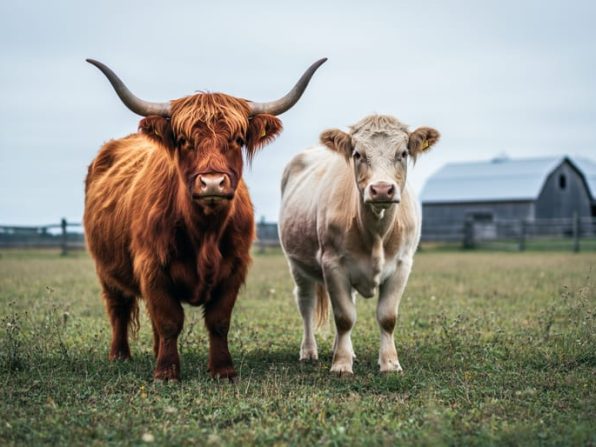
Rare breeds of cattle are heritage livestock populations whose numbers have declined to the point where their genetic lines face extinction, typically defined as fewer than 1,000 breeding animals globally or a limited geographic distribution that puts them at risk. These animals represent centuries of careful selection for traits like cold hardiness, disease resistance, and efficient forage conversion, qualities that modern commercial breeds often lack.
Why should Canadian farmers and food advocates care about these disappearing bloodlines? Because genetic diversity in livestock isn’t just a romantic nod to the past. It’s agricultural insurance. When disease, climate shifts, or market demands change, rare breeds often carry the exact traits needed to adapt. The Highland cattle that thrived in harsh Scottish winters translates directly to Canadian operations facing brutal cold snaps. The Canadienne, developed right here over 400 years ago, evolved specifically for our climate and landscape.
The challenge is straightforward: as industrial agriculture consolidated around a handful of high-production breeds, heritage cattle populations shrank. A Holstein might produce more milk, but she requires intensive feed, climate-controlled barns, and veterinary intervention that smaller operations can’t always provide. Meanwhile, a rare breed dairy cow might give less milk but survive on marginal pasture, calve without assistance, and resist mastitis naturally.
This article breaks down what actually makes a cattle breed rare, how conservation matters in practical terms, and which specific heritage breeds you’ll find across Canada today. You’ll discover how these animals function on working farms (not just museum pieces), what types exist from dual-purpose to beef specialists, and how you can participate in preserving genetic diversity whether you manage 500 acres or simply choose heritage beef at the farmers market.
What Rare Breeds of Cattle Mean for Canadian Agriculture
A rare breed of cattle isn’t defined by exotic appearance or unusual traits. It’s a breed with dangerously small population numbers that put its genetic future at risk. When a cattle breed drops below certain population thresholds, it loses the genetic diversity needed to adapt to diseases, climate shifts, and changing farm conditions, making it vulnerable to extinction despite centuries of proven value on Canadian farms.
Rare Breeds Canada uses specific criteria to classify cattle as rare or endangered. Breeds with fewer than 1,000 registered breeding females in Canada earn conservation priority status, while those below 500 females receive critical status designation. These numbers matter because small populations create genetic bottlenecks where inbreeding becomes unavoidable, reducing fertility, disease resistance, and overall herd vitality. The organization maintains Canada’s official Conservation List, updated regularly through surveys of breed registries, breeder associations, and individual farmers maintaining herd books.
- Heritage breed
- A cattle breed with deep historical roots in Canadian agriculture, typically predating industrial farming and selected over generations for traits like hardiness and feed efficiency. These breeds often carry unique genetics adapted to specific regional climates.
- Genetic bottleneck
- A sharp population decline that eliminates genetic variation, leaving surviving cattle with limited diversity and increased vulnerability to disease or environmental stress. Once lost, this genetic material cannot be recovered.
- Conservation priority
- Designation for breeds with 500 to 1,000 registered breeding females in Canada, indicating elevated extinction risk requiring active monitoring and breeder support.
- Critical status
- The highest alert level for breeds with fewer than 500 registered breeding females, signaling immediate need for coordinated conservation efforts to prevent genetic collapse.
What separates heritage cattle from the commercial Angus or Holstein dominating Canadian pastures? Commercial breeds were engineered for single-trait optimization, maximum milk output or fastest weight gain, often requiring high-input management with grain feeding, climate-controlled barns, and intensive veterinary care. Heritage breeds evolved through natural selection on working farms, developing balanced genetics for survival, fertility, and productivity across varied conditions. They thrive on grass, calve easily without assistance, and resist common cattle diseases, delivering the biodiversity benefits that buffer Canadian agriculture against climate uncertainty.
Rare Breeds Canada monitors these populations through annual breeder surveys and partnership with provincial livestock registries. When a breed shows declining registrations or aging breeder demographics, the organization activates conservation networks to connect remaining farmers, locate unregistered herds, and recruit new breeders before critical genetics disappear. This tracking system caught the Canadienne breed’s population crash in the 1980s, enabling recovery efforts that saved Canada’s only indigenous cattle breed from extinction.
How Rare Cattle Breed Conservation Works in Canada
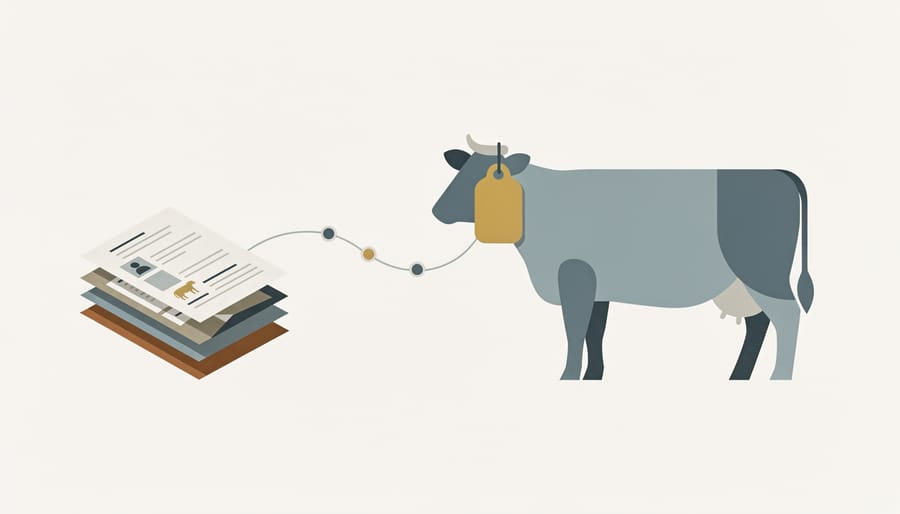
Conserving rare cattle breeds isn’t about freezing genetics in time, it’s a dynamic process that requires coordinated effort, careful record-keeping, and smart breeding decisions. In Canada, this work happens through a network of dedicated breeders, registries, and organizations like Rare Breeds Canada who connect the pieces.
The first step is identifying which breeds need help. Rare Breeds Canada maintains a conservation priority list based on population size, geographic distribution, and the number of active breeders. Breeds with fewer than 1,000 registered animals globally, or with limited genetic diversity despite larger numbers, get flagged for conservation attention. This assessment isn’t static, breeds move on and off the list as their populations grow or decline.
Once a breed is identified as at-risk, the focus shifts to genetic management. Every breeding decision matters when you’re working with small populations. Breeders use coefficient of inbreeding calculations to track relatedness and avoid pairing closely related animals. The goal is to maximize genetic diversity within the existing population, which means sometimes breeding animals that aren’t the “best” specimens but carry rare genetic lines. A bull with an unusual lineage might be more valuable to conservation than a champion with the same bloodlines as half the breed.
Breed registries and herd books form the backbone of this work. These official records track pedigrees going back generations, allowing breeders to make informed decisions about which animals to pair. In Canada, breed associations maintain these records and often work with international registries to coordinate conservation across borders. When a Canadian breeder wants to introduce new genetics, they can trace potential breeding stock anywhere in the world through these connected systems.
Rare Breeds Canada acts as a connector in this ecosystem. The organization maintains a breeder directory that helps farmers find breeding stock, facilitates semen and embryo sharing to move genetics without transporting live animals, and provides guidance on breeding strategies. If you’re raising Canadienne cattle in Ontario and need an unrelated bull, the network can connect you with a Quebec breeder whose lines diverged from yours decades ago.
Targeted breeding programs sometimes focus on specific conservation goals. Line breeding, mating animals that share a common ancestor several generations back, can help establish distinct genetic lines within a breed, creating insurance against disease or disaster. Other programs prioritize traits like cold hardiness or parasite resistance that make the breeds practical for Canadian farmers. Conservation succeeds when the cattle remain useful, not just preserved.
Population recovery happens gradually. A breed might move from a few dozen animals scattered across the country to several hundred through sustained effort over ten to fifteen years. Breeders coordinate to avoid bottlenecks, registries track every birth, and organizations like Rare Breeds Canada celebrate milestones that mark real progress toward security.
Canadian Heritage Cattle Breeds Worth Preserving
Dairy Heritage Breeds
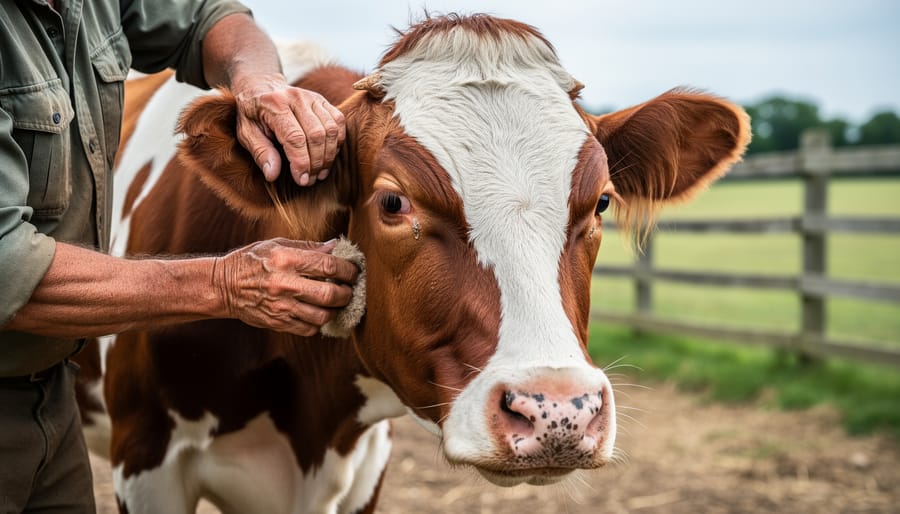
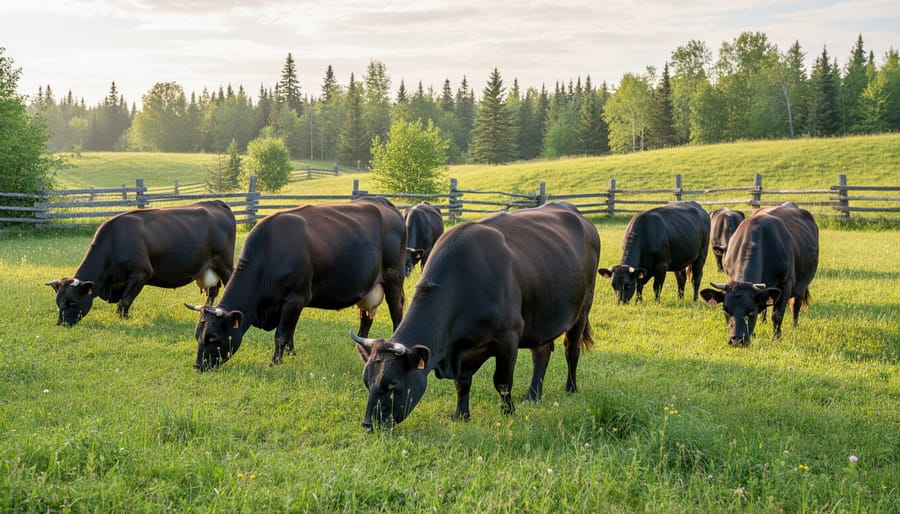
Among Canada’s rarest dairy cattle, the Canadienne stands alone as the country’s only indigenous dairy breed, a hardy, black animal developed by French settlers over four centuries to survive Quebec’s harsh winters and thrive on rough forage. These compact cows produce remarkably rich milk with high butterfat content (averaging 4.5% compared to 3.7% in Holsteins), making it prized by artisan cheesemakers crafting traditional Quebec cheeses like Le Migneron de Charlevoix and Alfred le Fermier. With fewer than 1,000 registered animals remaining, the Canadienne demonstrates exceptional pasture adaptability that modern dairy breeds lack, they convert marginal pasture into nutrient-dense milk without requiring grain supplementation or intensive management.
Small-scale dairy farmers and heritage cheese producers increasingly value these traits. A Canadienne cow produces 5,000-6,000 kg of milk annually (roughly half a Holstein’s output), but their longevity, fertility, and low veterinary costs offset the volume difference. Quebec cheesemakers like Fromagerie du Presbytère exclusively use Canadienne milk to create protected designation products that command premium prices and celebrate terroir. For dairy operations moving toward grass-based systems or seeking product differentiation through heritage genetics, these rare breeds offer both economic opportunity and a connection to Canada’s agricultural roots.
Beef and Dual-Purpose Heritage Breeds
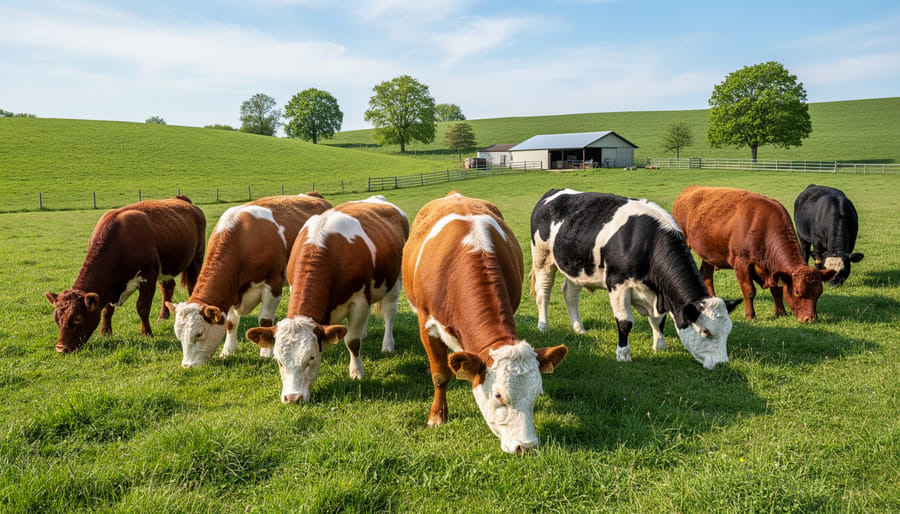
Several Canadian heritage cattle breeds excel in beef production and dual-purpose roles, offering farmers meat quality and hardiness that commercial breeds often can’t match. These breeds prove especially valuable for grass-based operations and direct marketing to restaurants seeking distinctive, ethically raised beef.
The Canadian Speckle Park stands out as a beef breed developed in Saskatchewan, prized for its efficient grass-finishing and marbled meat that commands premium prices. These cattle thrive on pasture without grain supplementation, cutting feed costs while producing tender, flavorful beef that attracts heritage-focused chefs. Their calm temperament makes them easier to handle than many commercial beef breeds.
Pinzgauer cattle, though less common in Canada, represent another dual-purpose option with Austrian origins. These hardy animals produce both quality beef and respectable milk yields, giving small farms flexibility. Their distinctive chestnut colouring with white markings makes them visually striking, and their ability to finish on grass alone appeals to farmers avoiding feedlot systems.
Highland cattle bring exceptional cold tolerance and browse-clearing ability to Canadian pastures. While slower-growing than commercial breeds, their lean, richly flavoured meat fetches higher prices in specialty markets. This breed demonstrates the heritage resilience that matters when weather turns harsh or forage quality drops, they keep thriving where pampered breeds struggle.
These beef and dual-purpose breeds reward patient farmers who value sustainability and market differentiation over maximum production speed. Their meat quality, low-input requirements, and authentic heritage stories create compelling value propositions for direct-to-consumer sales and restaurant partnerships.
Regionally Significant Breeds
Several rare cattle breeds carry the stories of Canada’s regional settlement patterns and agricultural adaptation. These animals are living links to the immigrant communities and pioneering families who shaped specific provinces and territories.
The Newfoundland Kerry represents the island’s Irish heritage, descended from cattle brought by 18th-century settlers from County Kerry. These small, hardy black cattle thrived in Newfoundland’s harsh coastal climate and marginal pastures where larger breeds struggled. By the 1980s, fewer than fifty animals remained, making them one of Canada’s most critically endangered heritage breeds.
In Western Canada, the Speckle Park originated from Saskatchewan farms in the 1950s and 1960s. Though newer than colonial breeds, these distinctive white cattle with black or red speckles embody Prairie innovation, developed by farmers selecting for efficient beef production on native grasslands without requiring heavy grain feeding.
Quebec’s Canadienne cattle, while nationally significant, hold particular regional importance as symbols of French-Canadian agricultural persistence. These fawn-coloured dairy cattle represent three centuries of adaptation to Quebec winters and traditional farming methods.
Each breed anchors memories of how specific communities fed themselves and built livelihoods in challenging environments. Supporting these regional breeds preserves not just genetics, but the distinct agricultural identities that define Canadian provinces.
Why Farmers Choose Rare Cattle Breeds
Farmers turning to heritage cattle in 2026 aren’t chasing nostalgia, they’re making calculated decisions that align profitability with environmental stewardship. Rare breeds deliver practical advantages that commercial cattle often can’t match, especially for operations pursuing pasture-based systems or direct-to-consumer sales.
Natural hardiness stands out immediately. Breeds like the Canadienne evolved through centuries of Canadian winters and variable forage conditions, requiring minimal shelter and thriving on roughage that would leave commercial breeds struggling. This resilience translates directly into reduced veterinary bills and lower mortality rates. Heritage cattle exhibit stronger immune systems and better parasite resistance, cutting medication costs while meeting consumer demand for antibiotic-free meat and dairy.
Input costs drop significantly with these breeds. Most rare cattle are moderate-framed animals that finish well on grass alone, eliminating expensive grain rations. They calve easily without assistance, maintain themselves on marginal pasture, and handle temperature extremes that would stress high-production genetics. A Quebec farmer running Canadienne dairy cattle reported feed costs 40 percent below conventional Holstein operations while producing milk that commanded premium prices from artisan cheesemakers.
The economic case strengthens when you consider market opportunities. Chefs at high-end restaurants actively seek heritage beef for its distinct flavour profiles and marbling characteristics. Direct sales to consumers interested in food provenance and sustainability generate margins that commodity markets never match. Small-scale processors and specialty food producers pay premiums for rare breed genetics, creating reliable income streams for farmers willing to invest in relationship-building and storytelling around their livestock.
Heritage breeds fit sustainable farming models perfectly. Their moderate size suits rotational grazing systems that build soil health. They convert pasture efficiently without the metabolic disorders plaguing breeds pushed for maximum production. This lower intensity means farmers can scale operations to match land capacity rather than forcing industrial stocking rates.
Government support makes entry more accessible than many assume. Programs recognize heritage livestock as biodiversity assets, with funding eligibility extending to infrastructure improvements, breeding stock purchases, and marketing initiatives. Farmers interested in conservation work can find resources on how to participate in programs that offset startup costs.
The shift toward rare breeds represents smart business for farmers positioning themselves in growing markets for transparency, sustainability, and unique products. These cattle aren’t museum pieces, they’re working animals that deliver performance where it matters: profitability, animal welfare, and environmental impact.
Connecting with Rare Breed Cattle Farmers and Resources
Getting started with rare cattle breeds doesn’t require navigating alone. Rare Breeds Canada maintains a national network connecting aspiring farmers with experienced breeders who have breeding stock available. The organization’s online breeder directory lets you search by breed, province, and availability, making it straightforward to find reputable sources for foundation animals. Many breeders offer mentorship alongside breeding stock, sharing decades of knowledge about bloodlines, handling characteristics, and farm systems that work.
Breed-specific associations provide deeper connections within individual breed communities. Organizations like the Canadian Cattle Breeders Association and breed societies for Canadienne, Canadian Speckle Park, and other heritage cattle offer herd book registration, genetic record-keeping, and access to breed improvement programs. Membership typically includes newsletters, annual meetings, and direct contact with fellow breeders facing similar challenges. These associations also coordinate with Rare Breeds Canada on conservation priorities and breeding recommendations to maintain genetic diversity.
Where can I buy rare breed cattle in Canada?
Start with Rare Breeds Canada’s breeder directory, which lists farms with available breeding stock organized by province and breed. Provincial agricultural organizations and breed-specific associations also maintain breeder contacts.
What support exists for new rare breed cattle farmers?
Many provinces offer agricultural grants for heritage livestock conservation. Rare Breeds Canada provides educational resources, mentorship connections, and networking opportunities with experienced breeders who can guide setup and management.
How do I register my rare breed herd?
Contact the breed-specific association for your cattle type, which maintains the official herd book. Registration requires parentage documentation and typically involves DNA testing to verify genetic authenticity and prevent fraud.
What markets exist for heritage cattle products?
Direct-to-consumer sales, farmers markets, heritage-focused restaurants, and artisan cheesemakers actively seek rare breed beef and dairy. Rare Breeds Canada can connect you with specialty food networks and chefs interested in sourcing heritage livestock products.
Financial support makes conservation farming more accessible than many assume. Several provinces maintain agricultural grant programs specifically targeting heritage livestock preservation, covering expenses like breeding stock purchases, pasture improvement, or genetic testing. The federal government’s AgriDiversity program has periodically funded rare breed initiatives, though availability fluctuates with agricultural policy cycles. Rare Breeds Canada tracks current funding opportunities and can point farmers toward applicable programs.
Market connections often determine economic viability for heritage cattle operations. Rare Breeds Canada facilitates introductions between farmers and chefs, butchers, and specialty food retailers actively seeking heritage beef and dairy products. The organization’s annual conferences and regional field days create face-to-face networking opportunities where farmers, processors, and buyers meet directly. Online forums and social media groups maintain year-round connections for advice, problem-solving, and informal market intelligence about pricing trends and buyer needs in the heritage livestock space.
Types of Rare Breeds of Cattle
Rare cattle breeds fall into several functional categories that help breeders and farmers identify which heritage animals fit their operation. Understanding these groupings clarifies why certain breeds face endangerment and where conservation efforts should focus.
Dairy breeds were developed primarily for milk production, with breeds like the Canadienne producing rich milk ideal for cheese-making. These cattle typically show smaller frame sizes and efficient feed conversion, traits that made them invaluable to early Canadian settlers.
Beef breeds emphasize meat quality and growth rates. Heritage beef cattle often excel at grass-finishing without grain supplementation, producing marbled meat that commands premium prices from chefs seeking distinctive flavour profiles.
Dual-purpose breeds serve both dairy and beef functions, offering flexibility that small-scale and diversified farms value. These versatile cattle historically supported family farms where every animal needed to earn its keep through multiple roles.
Draft breedsthough rare today, once provided power for fieldwork before mechanization. Some heritage breeds retain the muscling and temperament that made them effective working animals.
Each category faces different conservation challenges based on how modern commercial agriculture has shifted toward specialized, high-volume production that sidelines heritage genetics.
Rare cattle breeds represent living links to Canada’s agricultural past and essential genetic reservoirs for its future. These animals aren’t museum pieces, they’re working livestock that offer practical solutions for farmers seeking hardiness, adaptability, and connection to niche markets. Every heritage breed we lose takes with it centuries of natural selection, regional adaptation, and irreplaceable genetic diversity.
The encouraging reality is that more Canadians recognize this value each year. Small-scale farmers are rediscovering breeds like the Canadienne for their efficiency and resilience. Consumers increasingly seek out heritage beef and artisan dairy products with authentic stories behind them. Chefs champion these breeds for distinctive flavour profiles that mass production can’t replicate.
You don’t need to own a farm to participate in conservation. Choosing heritage breed products at farmers’ markets, supporting restaurants that feature them, or simply spreading awareness all contribute to keeping these breeds viable. For those considering livestock, starting with even a small heritage herd connects you to a community of passionate breeders and a tradition worth continuing.
The future of rare cattle breeds depends on people who see them as valuable, not obsolete, and that future looks brighter than it has in decades.